
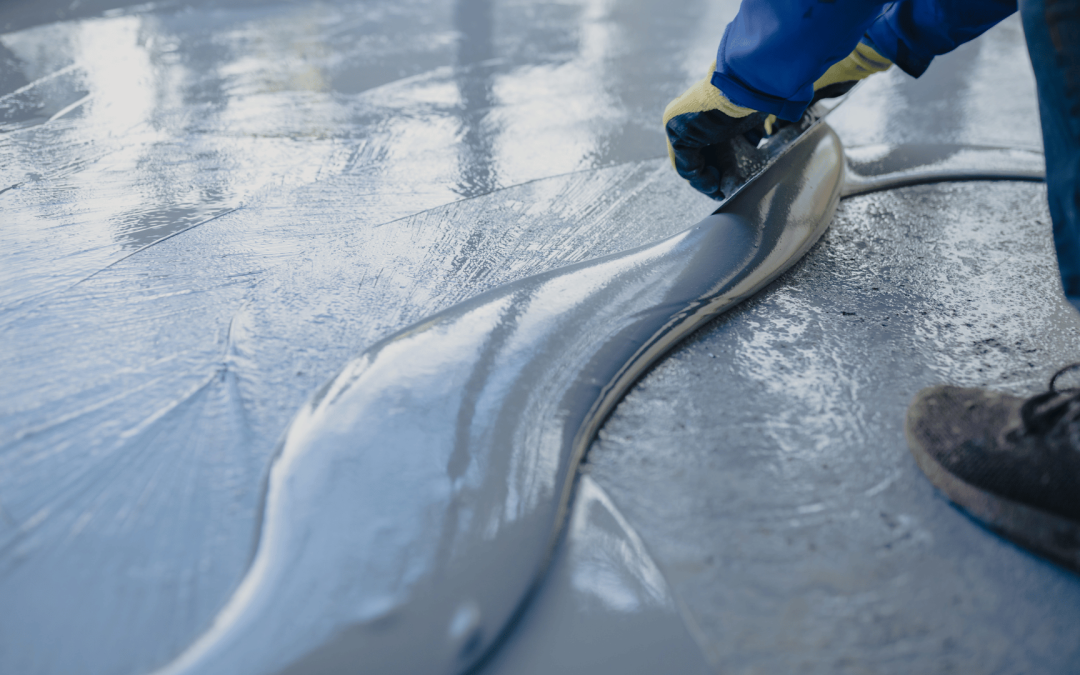
Concrete is one of the most widely used building materials in industrial construction, valued for its strength and versatility. Yet even the strongest concrete structures are vulnerable to degradation over time when exposed to the demanding conditions found in factories, warehouses, and processing facilities. Protective coatings offer a proven way to shield concrete surfaces from moisture, chemical damage, abrasion, and environmental wear, extending the service life of critical infrastructure while reducing long-term maintenance costs.
We explore why concrete in industrial settings needs dedicated protection, the types of coatings available, how to choose the right system, and what causes coatings to fail. Whether you manage a manufacturing plant, warehouse, or storage facility, understanding these protective solutions can help you make more informed decisions about protecting your property.
Why Does Concrete Need Protection in Industrial Environments?
Concrete may appear virtually indestructible, but constant exposure to harsh industrial conditions gradually weakens its structure. Without adequate protection, deterioration can escalate from minor surface wear to serious structural compromise, leading to costly repairs and operational disruption.
Moisture Penetration and Freeze-Thaw Damage
Water is one of the most persistent threats to unprotected concrete. When moisture infiltrates the porous surface, it can cause internal cracking, expansion, and freeze-thaw damage during colder months. Over time, this weakens the concrete’s load-bearing capacity and creates entry points for further deterioration.
Chemical Exposure and Corrosion
Industrial facilities frequently expose concrete to acids, salts, oils, and chemical byproducts. These substances erode the surface and attack the internal reinforcement, accelerating degradation far beyond what normal weathering would cause. Floors in manufacturing plants and processing areas are particularly susceptible.
Abrasion and Mechanical Wear
Heavy foot traffic, forklift movements, and industrial machinery place enormous mechanical stress on concrete surfaces. Without a protective barrier, the surface gradually wears down, creating dust, uneven areas, and potential safety hazards.
UV and Weather Damage
Concrete structures exposed to sunlight, temperature fluctuations, and heavy rain can suffer from surface breakdown, including fading, cracking, and chalking. These effects are especially pronounced on exterior walls, loading bays, and uncovered yard areas.
What Types of Protective Coatings Are Used on Industrial Concrete?
Several coating systems are available, each engineered to address specific threats and environmental conditions. Selecting the right type depends on the challenges your concrete surfaces face and the performance requirements of your facility.
Epoxy Coatings
Epoxy coatings are among the most widely used protective systems in industrial settings. They provide excellent adhesion, strong chemical resistance, and outstanding durability, making them ideal for factory floors, containment areas, and heavy-traffic zones. Epoxy forms a hard, seamless layer that resists impact, abrasion, and chemical spills, helping concrete surfaces withstand the rigours of daily industrial use.
Polyurethane Coatings
Polyurethane coatings offer superior flexibility and UV resistance compared to epoxy, making them particularly well suited to outdoor applications or areas subject to temperature movement. They provide a glossy, durable finish that resists abrasion and weathering, and they are often used as a topcoat over epoxy systems to combine the strengths of both materials.
Acrylic Sealers
Acrylic sealers are a more affordable option for general moisture protection in less demanding environments. They dry quickly, are easy to apply, and are available in various finishes. While not as robust as epoxy or polyurethane, they offer adequate protection for concrete surfaces that experience moderate exposure to moisture and light wear.
Intumescent and Fire Retardant Coatings
Fire safety is a critical concern in industrial buildings. Intumescent coatings expand when exposed to extreme heat, forming an insulating char layer that protects the underlying concrete and any structural reinforcement. These specialist coatings help ensure compliance with fire safety regulations and provide valuable passive fire resistance.
Cementitious Coatings
Cementitious coatings are used for waterproofing and restoring ageing concrete. They bond effectively to concrete substrates and are commonly applied to tanks, containment areas, and below-grade structures where moisture resistance is the primary concern.
What Are the Key Benefits of Protective Coatings for Concrete?
Investing in a quality protective coating system delivers a range of practical advantages that directly benefit facility managers and business owners:
- Extended service life – Coatings create a durable barrier against the elements, significantly slowing down degradation and preserving the structural integrity of concrete for years longer than unprotected surfaces.
- Reduced maintenance and repair costs – By preventing damage before it takes hold, coatings minimise the frequency and expense of concrete repairs, reducing both material costs and operational downtime.
- Improved safety and compliance – Anti-slip finishes, chemical-resistant surfaces, and fire retardant coatings all contribute to a safer working environment and help facilities meet health and safety regulations.
- Enhanced appearance – Protective coatings are available in a range of colours and finishes, creating a cleaner, more professional look that reflects positively on the business.
- Easier cleaning and maintenance – Sealed concrete surfaces repel dirt, oil, and spills rather than absorbing them, making routine cleaning faster and more effective.
How Do You Choose the Right Protective Coating?
Selecting the most suitable coating requires careful consideration of several factors. Getting this decision right from the outset ensures long-lasting protection and avoids the cost of premature reapplication.
Assessing Environmental Conditions
The operating environment is the single most important factor. Facilities exposed to chemical spills need coatings with high chemical resistance, while outdoor structures require UV-stable systems. Areas prone to heavy moisture or standing water demand specialist waterproofing solutions.
Understanding Surface Use and Traffic
High-traffic industrial floors need hard-wearing coatings such as epoxy or polyurethane that can withstand constant mechanical stress. Storage areas or less frequently accessed spaces may only require a simpler sealer to prevent moisture ingress.
Balancing Budget with Long-Term Value
Higher-performance coatings typically carry a greater upfront cost, but they deliver better long-term value by lasting longer and reducing the need for frequent maintenance. It is worth considering the total cost of ownership rather than focusing solely on initial expenditure.
Surface Preparation Requirements
No coating will perform to its potential without proper surface preparation. This typically involves thorough cleaning, removal of old coatings or contaminants, repair of cracks or damage, and priming. A poorly prepared surface is the most common reason for coating failure, regardless of the product used.
Why Do Coatings Fail and How Can You Avoid It?
Even the best coating systems can underperform if key steps are overlooked during selection and application.
- Inadequate surface preparation – Failing to clean, repair, and prime the surface properly prevents the coating from bonding securely, leading to peeling, blistering, or delamination.
- Incorrect product selection – Choosing a coating that is not designed for the specific environmental or mechanical conditions the surface will face inevitably leads to premature failure.
- Improper application thickness – Applying a coating too thinly provides insufficient protection, while over-application can cause cracking and poor curing. Following manufacturer specifications is essential.
- Ignoring environmental conditions during application – Temperature, humidity, and moisture levels at the time of application all affect how well a coating cures and adheres.
Working with experienced professionals who understand both the products and the environments in which they are applied is the most reliable way to avoid these common pitfalls.
How Halls Decorators Can Help Protect Your Industrial Concrete
At Halls Decorators, we bring over 50 years of specialist experience in industrial painting and decorating to every project. Our dedicated team works with businesses across Yorkshire, Greater Manchester, and Lancashire to deliver protective coating solutions that are tailored to each facility’s specific requirements.
We understand that industrial environments demand coatings that perform under pressure. From epoxy floor systems in high-traffic warehouses to fire retardant applications in manufacturing facilities, we use premium materials and proven techniques to deliver finishes that last. Every project begins with thorough surface preparation, because we know that the quality of the finish depends on the quality of the groundwork.
Our CHAS-accredited, fully insured team holds CSCS, IPAF and PASMA certifications, ensuring full compliance with health and safety standards throughout every job. We work closely with facility managers to schedule work around your operations, minimising disruption while meeting tight deadlines and budgets.
Whether you need a comprehensive coating system for a new build or specialist protection for ageing concrete infrastructure, we are here to advise you on the most suitable approach. Contact our team today for a free, no-obligation quote and discover the difference professional workmanship makes.